What Does Roadside Assistance Actually Cover?
Car Lockouts
Keys locked inside, no damage to your vehicle, typically resolved in 10–15 minutes.
View Lockout Service →Battery Jump Starts
Dead or weak battery, on scene, usually resolved in under 20 minutes.
View Jump Start →Fuel Delivery
Ran out of gas, especially common on rural stretches and the Parkway, where the next station can be many miles away.
Flat Tire Changes
Swap to your spare on the shoulder, safely — or advise on next steps if your vehicle doesn't carry one.
We're building out dedicated pages for fuel delivery and flat tire service — both are fully available now by calling dispatch directly, and covered in depth below.
Running on Empty in Asheville or on the Parkway?
Running out of gas is one of our most common Parkway calls specifically because gas stations can be many miles from where drivers actually run out — the Parkway itself has no fuel stations directly on the route. We bring enough fuel to get you to the nearest station, not a full tank, so you can get back on the road and fill up properly.
How much fuel do you bring?
Enough to reach the nearest gas station safely — typically a few gallons, not a full fill-up. This gets you moving without us carrying more fuel than is safe to transport.
What if I'm on the Parkway with no signal?
Reference the nearest numbered mile marker if you can find any signal at all. It's the single most reliable way to describe your location on a route where GPS pins are frequently unreliable.
Flat Tire? Here's What Actually Happens Next
A flat tire call is simple when your vehicle has a working spare and jack — we swap it on the shoulder or in a parking lot, safely and quickly. It gets more complicated with a growing share of newer vehicles, particularly EVs, that don't include a spare tire at all.
Do you check for a spare before you leave?
Yes — dispatch will ask whether your vehicle carries a spare when you call, so the driver arrives knowing whether this is a quick swap or a flatbed situation.
What if my EV or newer car has no spare?
Most EVs and a growing number of newer vehicles skip the spare tire entirely in favor of a tire-repair kit or nothing at all. In that case, a flat is usually a flatbed call rather than a roadside fix — see our Flatbed Towing page.
Why Does Roadside Assistance Matter More in This Terrain?
A dead battery in a flat, urban market is a minor inconvenience. The same problem in this terrain is a genuinely different situation.
Fuel distance on the Blue Ridge Parkway
The Parkway itself has no gas stations directly on the route near Asheville's access points — running low means planning ahead, or calling us for delivery rather than risking a walk in unfamiliar terrain.
Unreliable cell coverage in mountain terrain
Large sections of the Parkway and rural Buncombe County roads have unreliable or no cell coverage, which is exactly why we ask for mile markers and landmarks rather than relying on a GPS pin alone.
Narrow shoulders on steep grades
A flat tire on the shoulder of the I-40 Old Fort grade is a fundamentally different safety situation than the same flat in a parking lot — response and positioning both take real terrain knowledge.
Distance changes everything about response
Rural and mountain-corridor roadside calls simply take longer to resolve safely than the same call inside city limits — dispatch tells you that honestly upfront rather than promising a number we can't hit.
Real Roadside Assistance Calls We've Answered
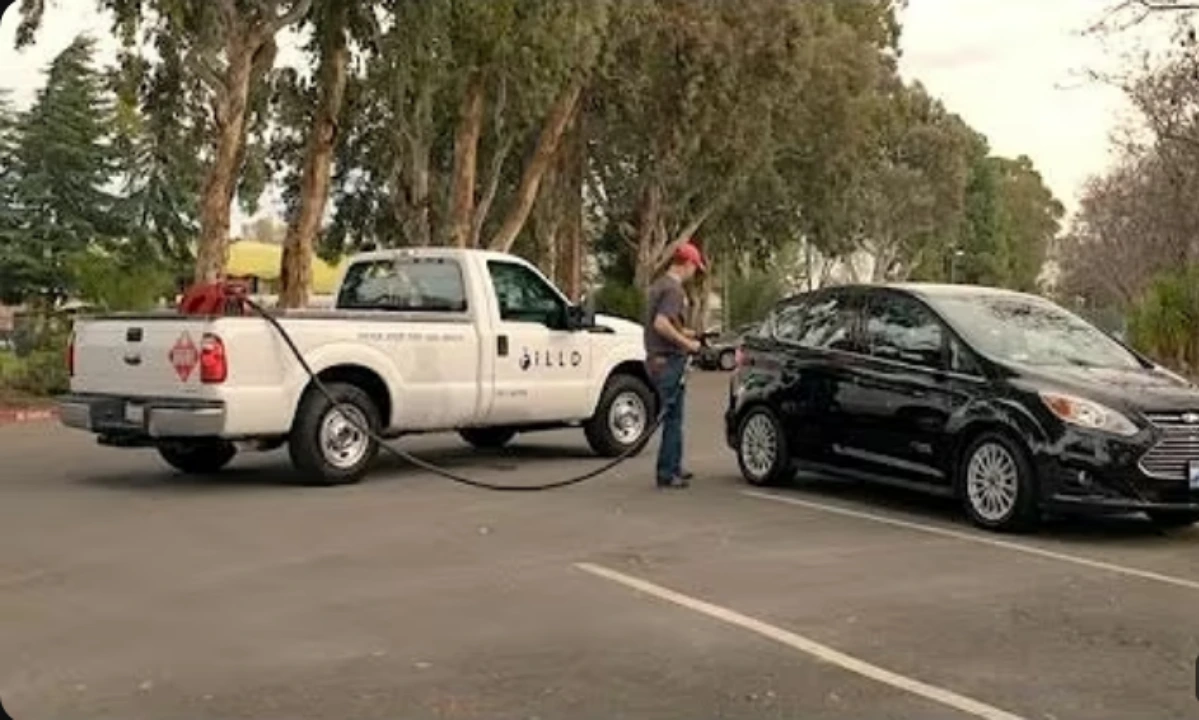
Out of Fuel, Blue Ridge Parkway
A family visiting from out of state hadn't realized there were no gas stations directly on the Parkway and ran their tank dry near an overlook with no signal. A passing hiker relayed their mile marker to us by phone once they reached cell coverage further down the route, and we delivered enough fuel to get them to the nearest station.
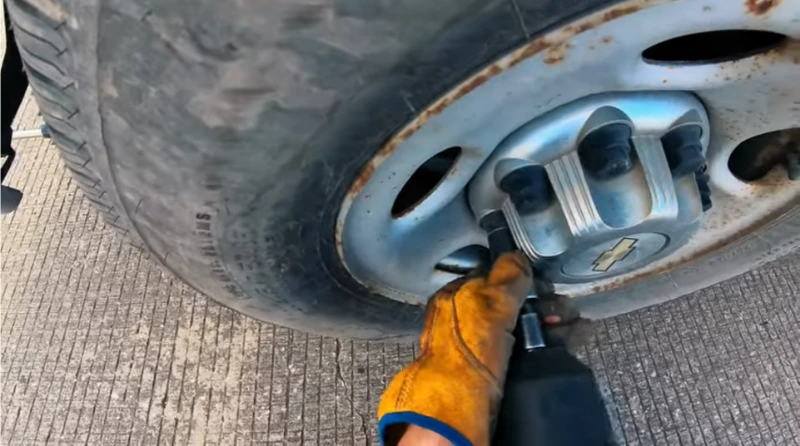
Flat Tire, No Spare, EV Owner
A customer picked up a nail in a parking lot and discovered their EV carried no spare tire at all, just a sealant kit unsuited to the size of the puncture. Dispatch confirmed this upfront and sent a flatbed directly to a tire shop instead of a wasted roadside attempt.
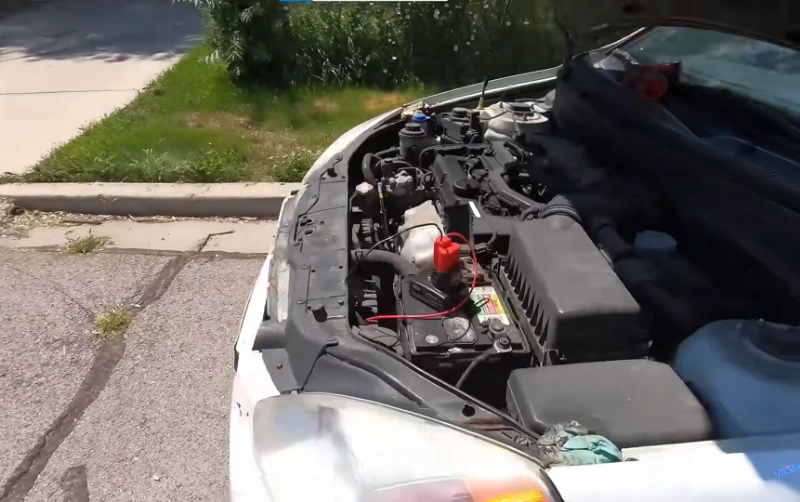
Wouldn’t Start After Flash Flooding, Enka Area
Water pooled fast during a summer storm and the engine wouldn't turn over afterward. Rather than jumping it and risking further damage, our driver checked for water intrusion first and recommended a shop tow instead of making things worse.
What Asheville Customers Say About Our Roadside Service
"Called about a flat and they walked me through checking if my spare would even hold air before sending anyone out. Saved me a service call entirely."
"Flat on I-240 during rush hour. Dispatcher talked me through pulling onto the shoulder safely before the truck even arrived."
"Ran out of gas on I-26 near Fletcher of all places, embarrassing, but they didn't make it weird. Fuel to me in about twenty minutes."
Is Roadside Assistance Cheaper Than Towing?
In most cases, yes — a lockout, jump start, or fuel delivery call is typically less expensive than a full tow, since no vehicle is being loaded or transported. If the roadside fix doesn't resolve the issue, we requote you for a tow on the same visit rather than sending a second truck out separately.
| Service | Typical Starting Rate |
|---|---|
| Lockout / jump start / fuel delivery | Lower than a full tow |
| After-hours dispatch | + ~$35 |
| If a tow becomes necessary | ~$85 base + mileage |
Roadside Assistance in Buncombe County, NC
Towing Asheville provides roadside assistance across Buncombe County, including Asheville and the surrounding communities. Whether you're dealing with a dead battery, lockout, flat tire, or empty tank, dispatch can help determine whether the problem can be handled where you are or whether you need a tow.
Do You Actually Need a Tow?
A lot of roadside calls don't need a truck at all. Here's the honest split — we'll tell you which one you're in when you call.
Roadside Assistance FAQs — Asheville, NC
How do I know if I need roadside assistance or a tow truck?
If your vehicle has a flat tire, dead battery, lockout, or you've run out of fuel, roadside assistance can often solve the problem on-site without moving your vehicle. However, if the engine won't run, the transmission has failed, the vehicle has been in an accident, or it's unsafe to drive, towing is usually the safer option. A dispatcher can help determine the right service based on your situation.
What roadside assistance services do you provide?
Roadside assistance typically includes jump starts, lockout service, flat tire changes, fuel delivery, and minor on-site assistance when a vehicle can be safely returned to the road. The goal is to solve simple problems where they occur so you can continue your trip without the added cost or inconvenience of a tow whenever possible.
Can you fix my vehicle on the roadside?
Roadside assistance is designed to address minor issues that prevent a vehicle from moving safely, but it is not a substitute for mechanical repairs. If the problem can be safely resolved on-site, you'll be back on the road quickly. If a more serious mechanical issue is discovered, towing to a repair facility may be the safest recommendation.
What should I do while waiting for roadside assistance?
Move your vehicle to a safe location if it can be driven safely, turn on your hazard lights, remain inside the vehicle whenever traffic conditions make it safer to do so, and keep your phone available for updates from dispatch. If you're on a busy highway or in another dangerous location, follow any instructions provided by emergency responders.
Can you help if my vehicle breaks down in a parking garage or apartment complex?
In many cases, yes. Roadside assistance can often be provided in parking garages, apartment complexes, office buildings, shopping centers, and similar private properties, provided there is adequate access for the service vehicle. Let dispatch know about any height restrictions, gate access, or parking limitations before the technician arrives.
Can roadside assistance help if my check engine light comes on?
A check engine light doesn't always require immediate towing. If the vehicle continues to drive normally without overheating, severe vibration, smoke, or unusual noises, you may be able to drive carefully to a repair facility. However, if the warning light is flashing or the vehicle is performing poorly, stopping and requesting professional assistance is the safer choice.
Do I have to be with my vehicle during roadside assistance?
In most situations, yes. Being present allows the technician to verify ownership, discuss the problem, and ensure the service is completed safely. In certain circumstances, arrangements may be possible if you cannot remain with the vehicle, but this depends on the type of service requested and the location of the vehicle.
Can roadside assistance prevent me from needing expensive repairs later?
Sometimes. Addressing problems like a weak battery, low tire pressure, overheating, or other minor issues early may prevent additional damage caused by continuing to drive an unsafe vehicle. While roadside assistance cannot repair major mechanical failures, responding quickly to small problems can reduce the risk of larger repair bills.
What information should I have ready before requesting roadside assistance?
Having your exact location, vehicle make and model, license plate number if available, a description of the problem, and a callback phone number helps dispatch send the appropriate equipment quickly. Mention any special circumstances, such as parking garage access, highway location, or if the vehicle is blocking traffic.
Can roadside assistance help all vehicle types?
Roadside assistance is available for many passenger cars, SUVs, pickup trucks, motorcycles (see Motorcycle Towing), and certain light commercial vehicles. Some larger vehicles or specialized equipment may require heavy-duty service instead. Providing accurate vehicle information when you call helps ensure the correct equipment is dispatched.
Locked out, dead battery, or out of gas?
A real dispatcher answers 24 hours a day, every day of the year.
Call 828-920-1126