What Actually Counts as an Emergency Tow?
An emergency tow is any situation where a vehicle needs to move now, not get scheduled for later — a breakdown blocking a lane on I-240, a collision anywhere in Buncombe County, a vehicle stalled somewhere genuinely unsafe, or a mechanical failure that's left you stranded in a spot where waiting isn't reasonable. If you're not sure whether your situation qualifies, call anyway. Our dispatcher will make that call with you in under a minute rather than making you guess alone.
The Emergency Calls We Handle Most in Asheville
Mountain-Grade Mechanical Failures
Brake fade on the Old Fort descent, overheating on the Saluda climb, transmission strain on a sustained grade — these are our single most common emergency call type, and exactly why terrain familiarity changes response quality, not just response time.
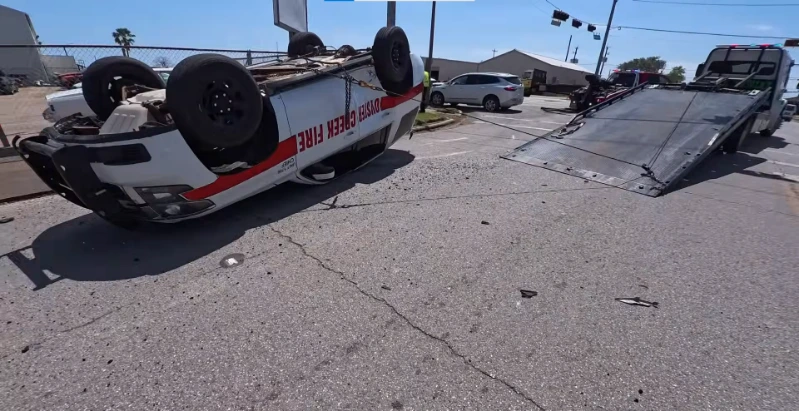
Post-Collision Recovery
Coordinated directly with law enforcement on scene, photo-documented before loading.
View Accident Towing →Sudden Battery or Electrical Failure
Cold-weather and elevation-related failures, often on a grade or overlook.
Blocked-Lane Breakdowns
A stalled vehicle on I-240, I-26, or I-40 that's actively creating a hazard for other drivers.
Stranded With No Cell Signal
Common on the Blue Ridge Parkway. If you can find any signal at all, the nearest numbered mile marker gets us to you fastest.
Three Calls, One Truck Moving
Emergency Towing on Asheville's Toughest Roads
These are the specific corridors where our emergency line rings the most, and exactly what to do in each one while you wait for us.
What do I do if I break down on the I-40 Old Fort grade?
This stretch east of Asheville is a steep, winding descent with narrow shoulders in several sections — a legitimately demanding piece of road, which is exactly why multiple runaway truck ramps exist along it. If you're broken down anywhere here, stay in your vehicle with your seatbelt on if you're not in immediate danger from traffic, and put hazards on immediately.
What about the I-26 Saluda Grade?
The sustained climb toward Asheville is hard on cooling systems going up and hard on brakes coming down. If your temperature gauge is climbing or you smell brakes overheating, treat it as an emergency and get off the grade at the next safe pull-off rather than continuing to the top.
What if I'm stranded on the Blue Ridge Parkway with no signal?
Large sections of the Parkway have no cell coverage at all. If you can't reach us directly, try moving to higher, more open ground where a signal is more likely, or wait for a passing vehicle and ask them to call on your behalf with the nearest numbered mile marker.
What about ice and refreeze emergencies on Patton Avenue?
Western Asheville streets near the French Broad River, including sections of Patton Avenue, have a documented pattern where daytime melt refreezes overnight into black ice that wasn't there a few hours earlier. If you've slid off the road or are stuck at an odd angle on a hill in these conditions, treat it as an emergency call.
Real Emergency Calls We've Answered
Brake Fade, Old Fort Grade, 11 p.m.
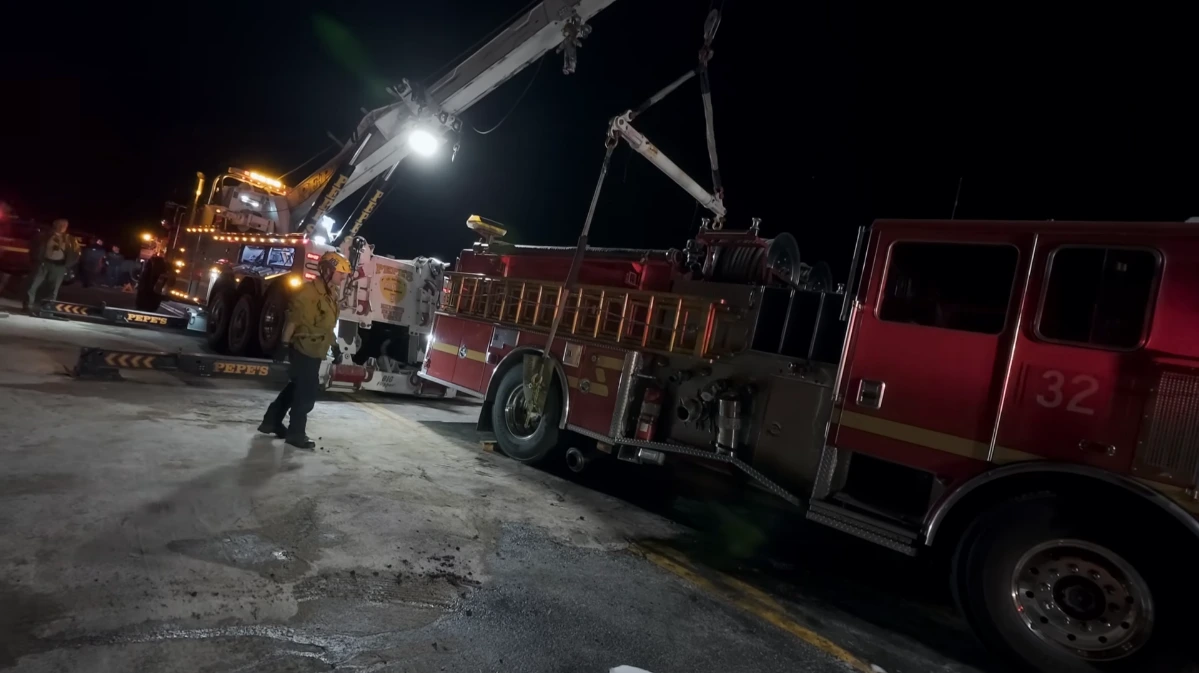
A driver descending the grade felt the pedal go soft and pulled into one of the designated emergency pull-offs rather than continuing down. Our driver arrived staged with hazards and a rear-facing arrow board, let the brakes cool before hooking up, and flatbedded the vehicle to a shop rather than risking a wheel-lift tow on a compromised braking system.
Stalled in a Live Lane, I-26, Rush Hour
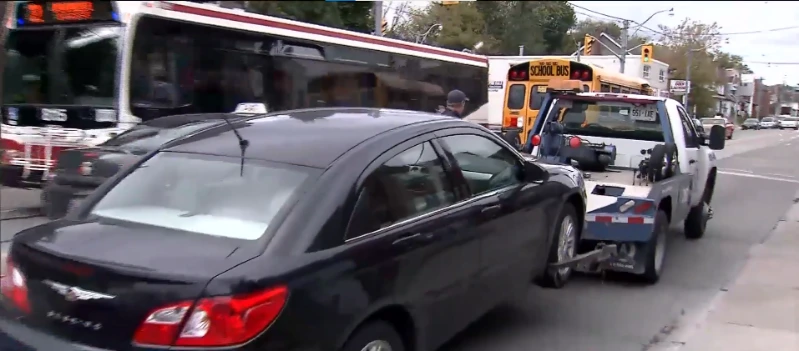
An overheated vehicle died mid-lane during evening rush hour near the I-40 interchange. Because a stopped vehicle in a live lane is a genuine hazard for everyone behind it, this call was dispatched as an immediate priority — the vehicle was cleared to the shoulder within minutes of the call coming in.
No-Signal Emergency, Blue Ridge Parkway
A stranded driver near a dead zone on the Parkway had zero signal for over 40 minutes. A passing motorist eventually relayed the call using the nearest posted mile marker — the only usable location reference in that stretch — and we reached the vehicle based on that secondhand report alone.
What Customers Say About Our Emergency Response
"We were driving back from the Parkway and my husband's truck started smoking on the climb before Black Mountain. I was fully expecting to get taken advantage of because we're not from here. They quoted us the price before anyone left the lot and it's exactly what we paid."
"Rear axle gave out climbing toward the Parkway entrance near Craggy Gardens. They didn't just tow it — told me straight it wasn't safe to have driven that far already."
"Blew a tire doing 60 on I-40 near Black Mountain, hazards on, hands shaking. Dispatcher kept me talking calmly until the truck's headlights showed up."
What Does Emergency Towing Cost?
Emergency calls are priced the same transparent way as every other service we offer — you get a number before we dispatch, factoring in distance, vehicle type, terrain, and time of day. No hidden mountain-recovery fees, no cash-only surprise at the scene.
| Factor | Typical Starting Rate |
|---|---|
| Base hook-up (standard vehicle) | ~$85 |
| Per mile beyond first 5 | ~$4.75/mi |
| After-hours dispatch | + ~$35 |
| Mountain / off-road recovery | ~$150+ |
Emergency Dispatch Across All of Buncombe County
Downtown Asheville, South Asheville/Biltmore, West Asheville, and every surrounding town below — plus I-40, I-26, and the Blue Ridge Parkway. For motorcycle emergencies or commercial vehicle breakdowns, we dispatch specialized equipment from the same line.
The Old Fort Grade — Where Emergencies Actually Happen
Two different failures, two different directions. Knowing which one you're in helps you pull over in the right spot.
Emergency Towing FAQs — Asheville, NC
When should I call an emergency towing service instead of trying to drive?
If your vehicle has been involved in an accident, won't start, is leaking fluids, has severe tire or suspension damage, is overheating, or feels unsafe to drive, it's usually best to request emergency towing instead of risking further damage. Continuing to drive a mechanically unsafe vehicle can increase repair costs and create additional safety hazards for you and other drivers.
What should I do immediately after my car breaks down?
Move your vehicle to a safe location if possible, turn on your hazard lights, and stay away from moving traffic. If you're on a busy highway, remain inside your vehicle when it's safe to do so and call for emergency assistance. Try to note nearby landmarks, highway exits, or GPS coordinates so dispatch can locate you quickly.
Can you tow my vehicle after an accident even if it won't move?
Yes. Vehicles that have collision damage, locked wheels, suspension damage, or won't start can often still be recovered using specialized towing equipment. Before moving an accident-damaged vehicle, make sure everyone is safe and follow any instructions given by law enforcement or emergency responders if they are already on the scene.
Can you tow vehicles from highways and interstate roads around Asheville?
Yes. Emergency towing is available from many highways and major roads throughout the Asheville area, including interstate routes and mountain roads where access is permitted. When calling, let the dispatcher know the direction you're traveling, the nearest exit number, mile marker, or visible landmark to help crews locate you faster.
What if I don't know my exact location?
Don't worry. Many drivers don't know their exact location during an emergency. Your phone's GPS, navigation app, nearby businesses, road signs, highway mile markers, intersections, or recognizable landmarks can all help identify where you are. Sharing as much information as possible allows dispatchers to send the nearest available tow truck more efficiently.
Will my insurance pay for emergency towing?
Many auto insurance policies and roadside assistance plans include towing coverage, but benefits vary by provider and policy. Coverage may depend on your deductible, towing distance, or the type of emergency involved. If you're unsure, contact your insurance company or roadside assistance provider while arranging your tow to confirm your available benefits.
Can you recover a vehicle that's stuck off the road after an emergency?
In many situations, yes. If your vehicle has slid into a ditch, become stuck in mud, snow, gravel, or a roadside embankment following an emergency, recovery equipment may be used before towing the vehicle. The recovery method depends on the terrain, weather conditions, and the position of the vehicle to ensure the safest possible removal.
Is it safe to wait inside my vehicle until the tow truck arrives?
It depends on where you've broken down. If you're safely off the roadway, remaining inside your vehicle with your seat belt fastened is often the safest option. If your vehicle is in a dangerous location, such as the middle of traffic or where there's an immediate risk of collision, move to a safe area if you can do so without putting yourself at greater risk.
Can you tow vehicles with flat tires, broken axles, or locked wheels?
Yes. Emergency towing equipment is designed to transport many vehicles that cannot be driven normally. Flat tires, damaged steering components, broken axles, or locked wheels usually require specialized loading techniques to prevent additional damage. Let the dispatcher know the vehicle's condition so the appropriate tow truck can be assigned.
What information should I give the dispatcher during an emergency towing call?
Provide your phone number, exact or approximate location, vehicle make and model, the problem you're experiencing, and whether anyone has been injured. Mention if the vehicle is blocking traffic, has visible damage, is stuck off the road, or cannot roll normally. Accurate information helps dispatch send the correct equipment and reduces delays during an emergency.
Stranded right now?
A real dispatcher answers 24 hours a day, every day of the year.
Call 828-920-1126