Why Fleet Accounts Work Differently Than a One-Time Tow
A single breakdown call and a fleet account solve two different problems. A one-time tow is about getting one vehicle off the road once. A fleet account is about what happens when towing is a recurring cost of doing business — a delivery route that runs a dozen vans a day, a dealership moving inventory between lots, a contractor whose trucks work gravel job sites and flat tires are a monthly occurrence. Paying per call at retail rates, re-explaining your yard layout and gate code to a new driver every time, and waiting in the same queue as everyone else adds up in ways a single tow never does.
What a Fleet Account Changes About How We Work With You
None of this is complicated once it's set up, but it's worth knowing exactly what changes versus calling in as a one-off customer.
How does billing actually work for a commercial account?
Instead of paying at the scene, we invoice on terms — net-30 is standard, and we can consolidate multiple tows into a single monthly statement rather than a stack of individual receipts your bookkeeper has to reconcile one at a time. Volume and contract length affect the rate; a dealership moving a handful of vehicles a month pays differently than a delivery fleet that calls weekly.
What does "priority dispatch" actually mean when I call?
Account calls get placed ahead of general walk-up retail calls in the queue, and where possible we send a driver who's already worked your location before — someone who knows your gate code, where the fleet actually parks, and whether your lot has a low-clearance awning that changes which truck we send. That familiarity is the real time-saver, not just the phone call itself.
Do you need a CDL-rated wrecker for our vehicles?
Depends on the vehicle. In North Carolina, a combination with a gross combined weight rating over 26,001 lbs, or a towed unit rated over 10,001 lbs, requires a Class A-licensed driver on our end for that recovery. A single vehicle over 26,001 lbs needs Class B. Tell us what's actually in your fleet — sprinter vans, box trucks, straight trucks, tractors — and we confirm the right truck and the right license before dispatch, not after.
Do I need to provide proof of insurance, or do you?
Both directions matter. We keep a certificate of insurance on file for any property we service regularly, and most commercial contracts also specify what coverage we carry. If your insurer or a property you operate at requires a COI before we're allowed on site, we get that documentation to you before the first call, not scrambled together after an incident.
What if a vehicle breaks down outside normal business hours?
Dispatch runs 24 hours a day, and North Carolina's own rotation-wrecker rules cap after-hours and weekend surcharges at 10% over standard rates — we hold ourselves to that same standard for commercial accounts, not a marked-up "emergency" rate invented on the spot. A 2 a.m. delivery-van breakdown gets the same account rate as a 2 p.m. one.
Businesses We Set Up Fleet Accounts For
If towing or roadside assistance is something your business needs more than once or twice a year, a fleet account is usually worth setting up before the next call, not during it.
Delivery & Courier Fleets
Local delivery vans and contracted route drivers — flat tires and dead batteries mid-route are a scheduling problem, not just a mechanical one.
View Heavy Duty Towing →Dealerships & Auto Shops
Inventory moves between lots, auction pickups, and customer trade-ins that need to go somewhere else — on a schedule you set, not a walk-in queue.
View Long Distance Towing →Rental & Rideshare Fleets
Rental company vans and driver-owned rideshare vehicles — downtime on either one is lost revenue for someone.
Property Managers & HOAs
Authorized towing for private lots and enforced parking, with proper signage and documentation on file.
Contractors & Job Sites
Work trucks on gravel and unfinished sites — flat tires, stuck vehicles, and jump starts are a routine cost, not an emergency.
Warehouses & Logistics
Box trucks and yard equipment on tight schedules where one down vehicle backs up a whole loading dock.
Setting Up a Fleet Account, Start to Finish
Real Fleet & Commercial Calls We've Handled
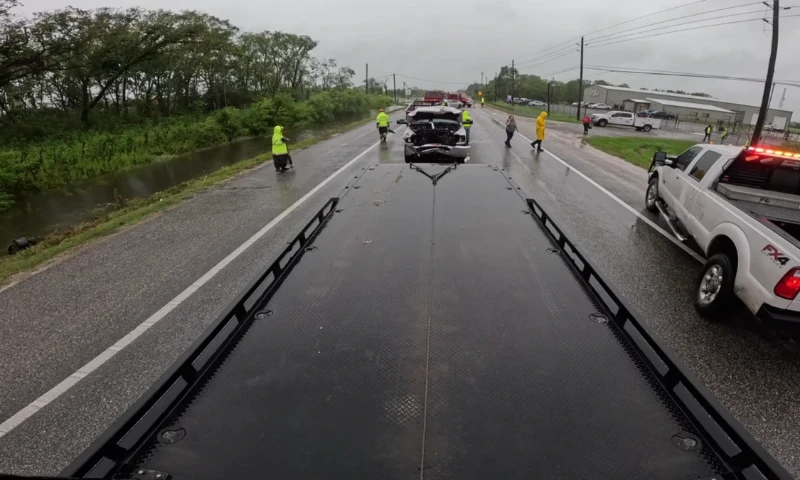
Delivery Van, Flat Tire on Route, Tunnel Road
A courier fleet's van blew a tire mid-route during a Friday afternoon delivery window. Because dispatch already had the account's gate code and vehicle type on file, a driver was moving within minutes instead of starting from scratch on a first-time call.
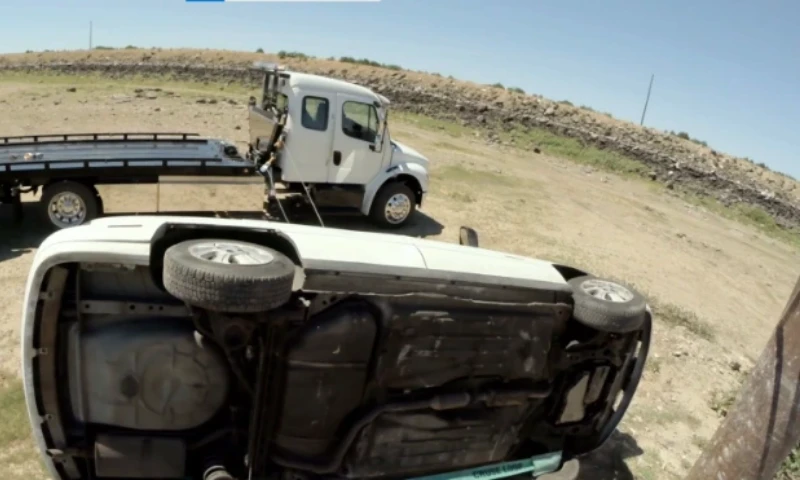
Dealership Inventory Move, Three Vehicles, One Invoice
A local dealership needed three trade-in vehicles moved between lots the same afternoon. All three tows went on one consolidated monthly statement instead of three separate at-the-counter payments.
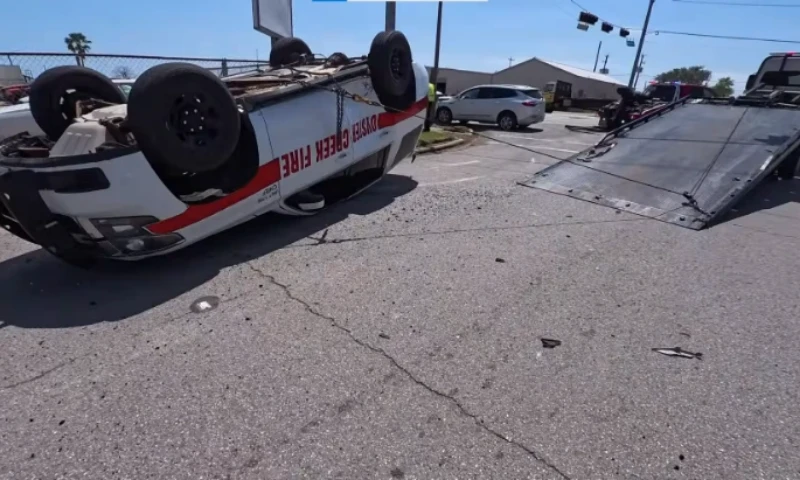
Contractor Truck Stuck, Gravel Site Off Sweeten Creek Road
A framing crew's work truck sank into soft ground after an overnight rain. Winch-out and recovery billed straight to the contractor's account — no on-site payment, no delay waiting on a card.
What Local Businesses Say
"Our delivery drivers used to sit on hold same as anyone else. Now dispatch already knows our account and our vans by the time we finish explaining what happened."
"One statement at the end of the month instead of a pile of receipts my bookkeeper has to sort through. Should have set this up years ago."
"They actually asked what our trucks weigh before sending anything. First towing company that didn't just show up and guess."
What to Ask Before You Set Up a Commercial Account
Most of the questions we get from a business owner come from having been burned once by a vague verbal agreement. Here's what a real account actually spells out.
What should actually be in a written towing agreement?
At minimum: scope of service (which vehicle types and situations are covered), your service area and hours, response-time expectations, the rate structure and billing terms, and how long a vehicle can sit in storage before additional fees apply. If a towing company won't put those five things in writing, that's worth noticing before you need them at 2 a.m., not after.
Is there a minimum number of tows to qualify for an account?
No hard minimum, but the math only makes sense once towing is a recurring line item rather than a once-a-year event. A contractor with three trucks calling monthly benefits from an account the same way a delivery fleet running daily routes does — the volume just looks different.
Can you handle refrigerated or temperature-sensitive cargo?
Tell us what's on board when you call. A route vehicle carrying perishable goods gets prioritized differently than an empty van, and we'll be upfront if a specific load needs handling beyond standard towing.
What happens if our fleet grows or shrinks?
Accounts aren't locked to a fixed vehicle count. Add a truck or lose one and the account adjusts — call and update us so dispatch has accurate information the next time someone needs a tow.
Retail Call vs. Fleet Account
How Is Fleet Pricing Different From Retail Rates?
The base structure starts the same as our published rates — ~$85 hook-up, $4.75/mile beyond 5mi, the same flatbed and after-hours rules everyone gets — but account volume, contract length, and consistent call patterns typically bring the effective rate down versus paying full retail per call. We quote actual numbers once we know your fleet size and typical needs; see the full published rate breakdown for the baseline every quote starts from.
Fleet Dispatch Across All of Buncombe County
Same account, same rate, whether your vehicle is downtown, out past Arden near the airport, or working a job site toward Black Mountain. See our full service area coverage for response details by town.
Other Situations We Cover
Heavy Duty Towing
Semi trucks, box trucks, and equipment recovery for commercial-weight vehicles.
View Heavy Duty Towing →Long Distance Towing
Dealership transfers and out-of-area moves at a fixed, quoted price.
View Long Distance Towing →Service Areas
Full coverage map across Asheville and 13 surrounding communities.
View Service Areas →Fleet & Commercial Towing — Frequently Asked Questions
How quickly can a new business get set up as an account?
Usually the same day. A short call to confirm your fleet, vehicle types, and billing preference is most of it — if your property needs a certificate of insurance on file first, that's the part that can take a day or two depending on your insurer's turnaround.
Do you work with property managers for private-lot towing enforcement?
Yes, with proper posted signage and documentation in place first — North Carolina requires clear signage before a private lot can have vehicles towed, and we won't set up enforcement towing at a property that skips that step.
Can more than one person at our company call in a tow?
Yes. We keep a list of authorized callers on the account so any dispatcher or site manager you designate can request a tow without needing to track down one specific person first.
Can a vehicle be taken to a specific shop instead of wherever's closest?
Yes — tell dispatch the destination when you call, whether that's your own maintenance shop, a specific dealership, or a preferred repair partner.
What happens during a storm or holiday when call volume spikes?
Account holders keep their place in priority dispatch ahead of general retail calls even during high-volume periods like winter storms, though response times run longer for everyone when the whole area is calling at once.
Is there a contract lock-in period or cancellation fee?
No lock-in and no cancellation fee. Accounts run month to month specifically so a seasonal business or a fleet that changes size doesn't get stuck paying for a commitment that no longer fits.
Ready to Set Up a Fleet Account?
One number, priority dispatch, monthly billing — call 828-920-1126 and ask for commercial accounts.
Call 828-920-1126